
What is Shatavari?
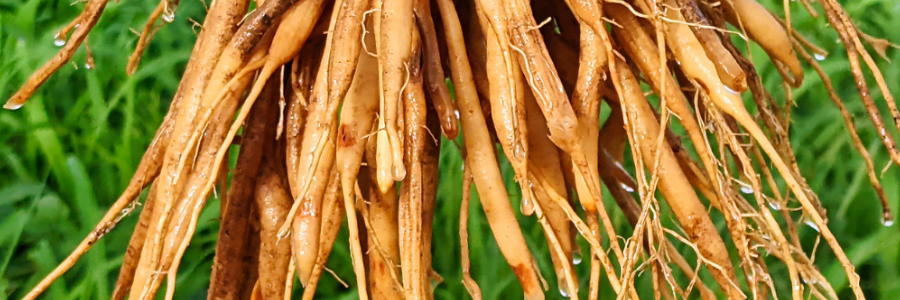
Common Names: Queen of Herbs, Satawar, Satamuli, Wild Asparagus, Water Root
Body System Affinities
Reproductive/Urogenital System (esp. in female bodies), Mucous Membranes, Digestive System, Immune System, Nervous/Neurological System, Endocrine System/HPA Axis, Skin Health
Herbal Actions
Nutritive, Rasayana/Adaptogen, Demulcent, Blood Building, Nourishes Yin, Antispasmodic, Female Reproductive Tonic, Adrenal Tonic, Galactagogue, Aphrodisiac, Immune Modulator, Fertility Enhancing, Digestive Bitter & Stomachic, Anti-ulcer, Anti-inflammatory, Antioxidant, Phytoestrogenic, Ovarian Tonic, Nervine
Energetics
Cool, Moist
Tastes: Sweet, Bitter
Indicated in conditions of excess Vata and Pitta, deficiency, and atrophy
Shatavari, or Wild Asparagus, is native to tropical and subtropical India, Southeast Asia, Malaysia, Africa and Northern Australia. First mentioned in the Rig Veda and Atharva Veda, Shatavari has been used for thousands of years as an aphrodisiac and a powerful rasayana--promoting strength, youthfulness, memory, adaptability, fertility, and intelligence. This root helps improve adrenal reserves due to their activity on the HPA (neuroendocrine) axis--similar to many adaptogens or rasayanas. They increase the “Yin” of the body, providing a cooling and moistening energetic. Shatavari is a nutritive tonic, high in minerals such as zinc, copper, manganese, calcium, and magnesium. They promote conception while remedying sexual debility in all sexes. The root is said to get vaginal pH back on track, and supports conditions such as Leukorrhea, Gonorrhea, Herpes, Candida overgrowth, irregular menstrual cycles, Diabetes/Blood Sugar dysregulation, Gastric Dyspepsia, Ulcers, and even Depression.
Today, our bodies face more environmental and psychological stressors than ever, wreaking havoc on hormones and our biorhythms which interrupts and confuses our bodies’ innate intelligence. Shatavari’s ability to bring the body back into balance makes them a promising ally for our times.
The roots are used in herbalism, but tender young sprouts can be cooked and eaten. The tubers are traditionally candied and eaten as a sweetmeat.
In Ayurveda this plant is known as the “Queen of herbs,” because it promotes love and devotion. Shatavari Root is considered to be a phytoestrogen, which is a class of plants that mimic estrogen and act on estrogenic receptors in the body. Phytoestrogens affect the regulation of ovarian cycles in female mammals, promote growth of tissue, and support physiological functions of the female genital tract, pituitary, breast, and several other organs/tissues in both sexes. Asparagus racemosus is well known for its use as a hormone modulator. While there is quite a lot of conflicting opinion around phytoestrogens, we find this root specifically useful for those experiencing menopausal symptoms due to a decline in endogenous hormone production. When estrogen is deficient, the sex drive can plummet, bones can weaken, brain fog can become more prevalent, and the urogenital tissues lack lubrication and can atrophy. Shatavari is especially indicated with this symptom picture, but is also an incredible aid in menstrual cycle regulation, lactation, and overall fertility support for female and male bodies. Our sexual and reproductive health deeply affects our quality of life, whether we are concerned with fertility or not! We love working with Shatavari as a nourishing and nutritive reproductive tonic, on a physiological and energetic level.
