
What is Rosemary?
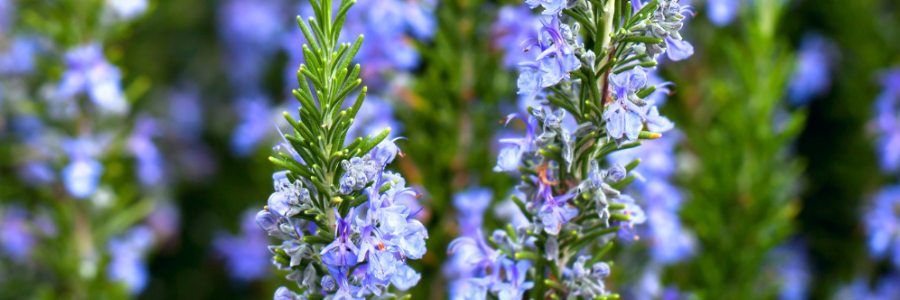
Common Names: Mi Die Xiang, Dew of the Sea, Elf Leaf
Body System Affinity
Brain/Neurological System, Digestive System, Immune System, Lungs/Respiratory System, Liver/Hepatic System, Cardiovascular System
Herbal Actions
Nootropic, Vital Stimulant, Anti-inflammatory, Carminative, Antioxidant, Astringent, Antifungal, Antibacterial, Antiseptic, Clears Cold and Damp, Tonifies Yang, Circulatory Stimulant (esp. peripheral circulation), Cardio Tonic, Blood Pressure Modulating, Antispasmodic, Mild Emmenagogue, Antidepressant, Rubefacient, Warming Aromatic, Hepatoprotective, Digestive Bitter
Energetics
Warm, Dry
Tastes: Acrid/Pungent, Bitter
Indicated in conditions of cold, damp, depression, and stagnation
Rosemary is a mint family plant that is believed to have originated in the Mediterranean region--particularly in Portugal. The word “Rosemary” derives from the Latin words for “dew” and “sea” (“ros” and “marinus”). True to their name, Rosemary is known to thrive best in climates located by the ocean. They are now grown worldwide as a major culinary and medicinal herb. Rosemary is one of those herbs that contains a whole medicine cabinet, making them an extremely beneficial herb to always have on hand for topical and internal issues that arise. They are used topically for hair/scalp health, and are a rubefacient. This means they increase blood flow where they’re applied, which causes blood vessels to dilate and creates a feeling of warm relief. This benefits issues such as muscle sprains, rheumatic pain, neuropathy, general tension, bruises, tense headaches, and cold stagnation patterns. We also love adding them to herbal steams for respiratory, skin, and even mental health. Their internal benefits constitute a long list, given their many body system affinities and herbal actions (see next slides). They are utilized in formulas to increase mental alertness and support memory functions, enhance phase 1 and 2 detoxification of the liver, open the lungs for deeper breathing and oxygenation, warm digestive cold and sluggishness, support circulatory weakness and hypotension, invoke immunity, ease constriction headaches, quell depressive states by uplifting and stimulating the senses, and strengthen the vital force in cases of general debility. As a flower essence, Rosemary is indicated in these patterns of imbalance: Forgetfulness or learning disabilities, loosely incarnated in body, lacking physical/etheric warmth (source: FES).
Rosemary was already renowned for improving memory in the Middle Ages, and was therefore used to help lovers not forget each other. They were often included in wedding ceremonies for this purpose. Brides would wear a wreath of rosemary around their heads and the groom and guests would all wear a sprig of the fresh herb as well. Rosemary has also been seen as a symbol of remembrance during commemorations and at funerals, with a sprig being tossed into the graves as a sign that the deceased would not be forgotten. This tradition dates all the way back to Ancient Egypt when the herb was buried with the pharaohs.
Rosemary has been burned as incense in sacred ceremonies and to help clear and clean sick rooms. In French hospitals it was commonplace to burn rosemary and juniper to purify the air and prevent infection. Rosemary has also historically been smoked to help calm asthma, coughs, and other throat and lung infections.
In Astroherbalism, this plant has associations with the Sun and Mercury. It’s Solar nature correlates with herbal actions such as stimulating the vital life force, supporting the cardiovascular system/flow of blood, increasing conscious perception through nootropic qualities, acting as an antidepressant, and their energetic signature (warming, drying). They relate to Mercury due to their correlation with intelligence and memory, their strong aromatic nature, carminative effects on the digestive tract, and their nervous system + respiratory system affinities.
