
What is Ashwagandha?
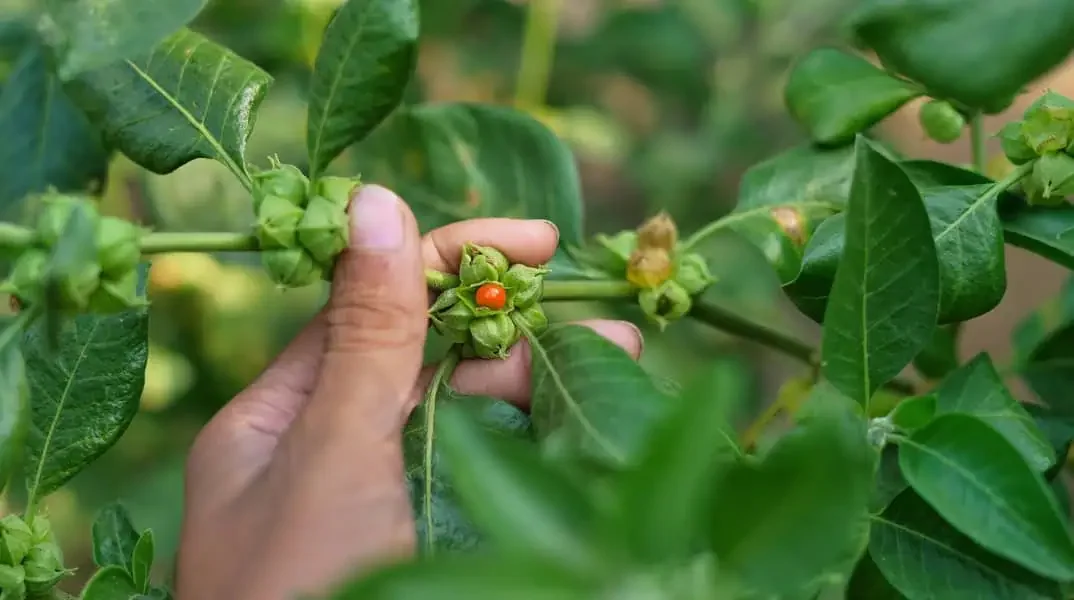
Common Names: Indian Ginseng, Winter Cherry, asgandh
Body System Affinity
Brain and Nervous System, Hypothalamic-Pituitary-Adrenal axis (HPA axis), Endocrine System, Reproductive System (esp. for male bodies), Immune System, Thyroid (indicated in hypo-conditions), Inflammation Markers and Processes
Herbal Actions
Adaptogen/Rasayana, Anxiolytic and Antidepressant, Qi Tonic, Immunomodulating, Thyroid modulating, Reproductive Tonic, Sleep Tonic, Adrenal Tonic, Aphrodisiac, Neuroprotective. Anti-inflammatory, Anti-tumor, Anti-arthritic, Antispasmodic, Antioxidant, Blood Building, Galactagogue
Herbal Energetics
warm/hot, moistening, pungent/acrid, bitter, sweet
*indicated in conditions of depression, atrophy, and states of deep depletion
*indicated in many conditions of vata and kapha, but aggravates pitta
Ashwagandha is a plant in the nightshade family (Solanaceae) that is native to Asia and Africa. This renowned root is a staple rasayana, or rejuvenative tonic, in Ayurvedic and Unani Tibb medicine. Herbs that fall into this category of medicine (known as adaptogenic in the West) typically have a wide and non-specific range of beneficial actions on the body--but tend to operate on the HPA axis, having the most profound effects on our nervous/neuro and endocrine systems. These herbs work with our bodies’ intelligence to find ways back to equilibrium and build up resiliency, especially for those who are deeply debilitated. Elders, and those who live with long term chronic illnesses, tend to reap the most benefits from Ashwagandha and other Rasayanas. It’s traditional to ingest Ashwagandha in fat-based preparations, such as an infusion or addition to milks or ghee. This is because many of Ashwagandha’s medicinal compounds are fat-soluble (they need to be extracted in a fatty medium). Other aspects of Ashwagandha’s medicine are water-soluble, so mixed menstruum decoctions are ideal to extract the most medicinal value. We love adding this root to traditional golden milk or chai recipes, mixing in coconut milk (or cream) and collagen!
While Ashwagandha has gained a lot of notoriety in the media as a catch all for every body and symptom of dis-ease, we want to reiterate that no herb is ever for everyone--without nuance! We love Ashwagandha for those with cold, melancholic, and depleted constitutions. We have witnessed Ashwagandha act as a profound ally for those with immune deficiency, suffering from long term adrenal burnout, recovering from addiction or eating disorders, living with inflammatory chronic diseases, maturing through the aging process, struggling with infertility, and many other complex conditions. Although many think of Ashwagandha as stimulating and energizing, I personally love challenging this simplified notion by pointing towards this roots’ benefits for insomnia and “tired but wired” states, when taken over time.
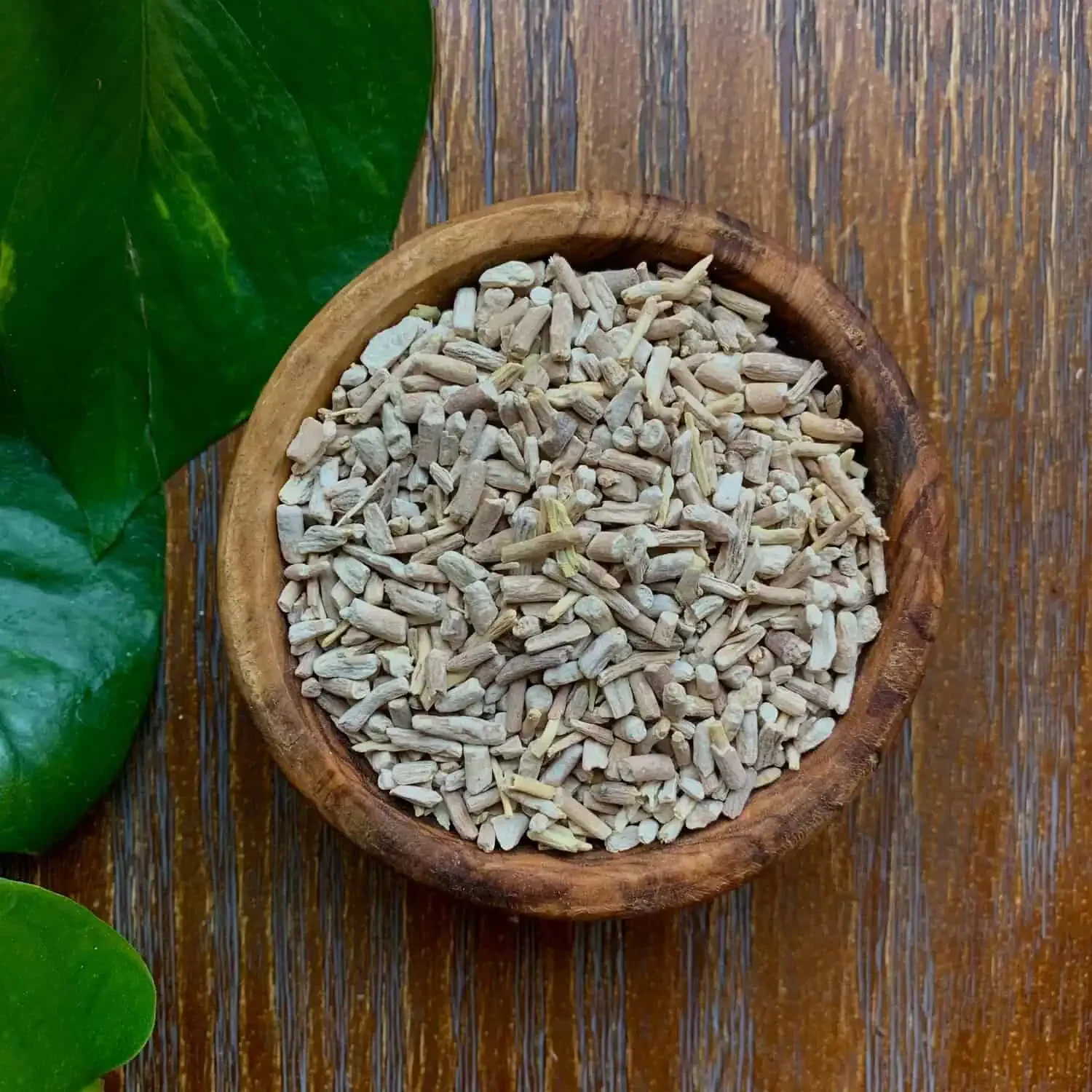
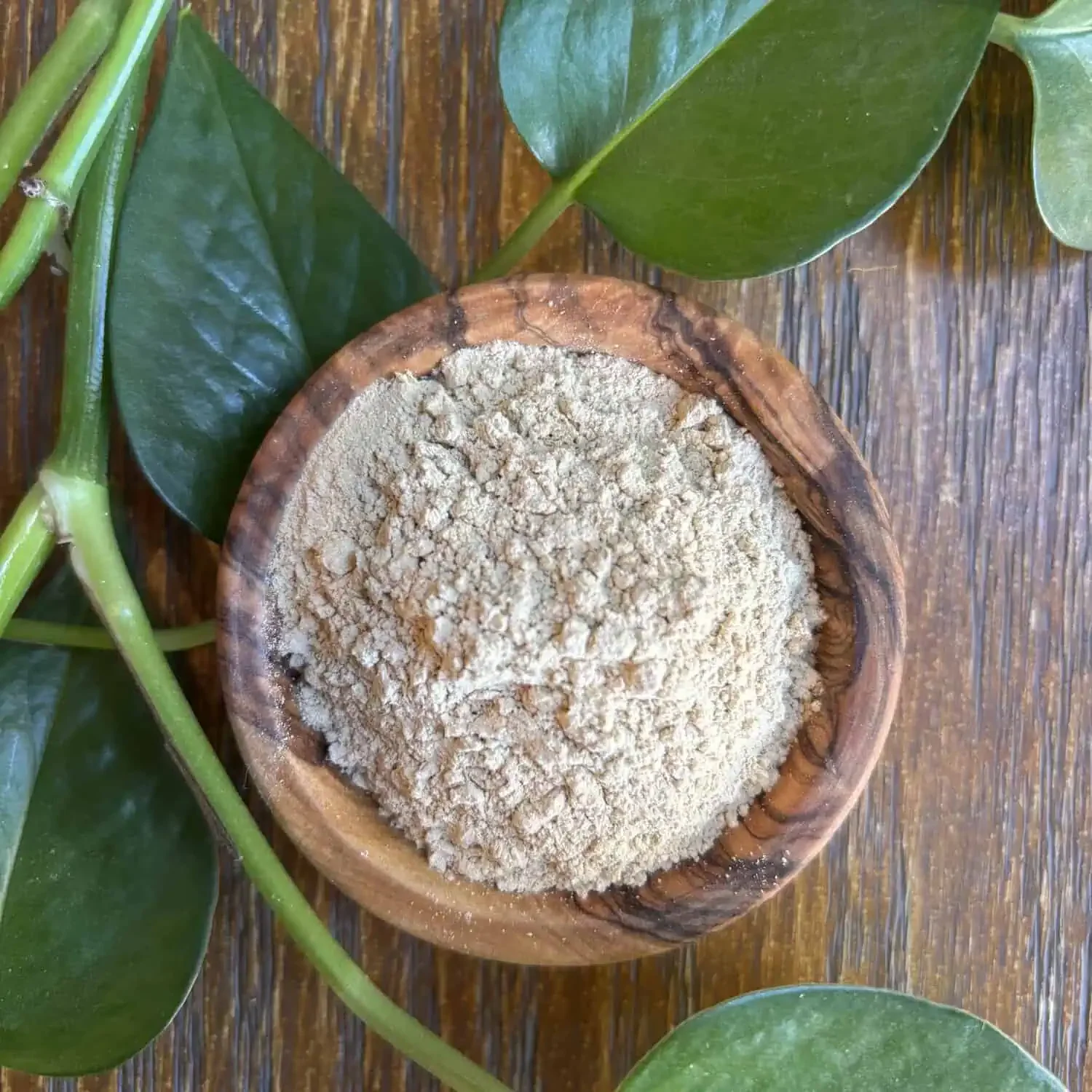

Organic Withania somnifera extracted in 70% local alcohol at a 1:4 ratio.
General Recommended Dosage: 2-4 ml daily. Not recommended for hypothyroid conditions.
Learn more about Ashwagandha on our Herbal Education Blog
This statement has not been evaluated by the Food and Drug Administration. This product is not intended to diagnose, treat, cure, or prevent any disease. Please consult your physician or a clinical herbalist before introducing new supplements if you are pregnant, nursing, or on medication.