
What are Fenugreek Seeds?
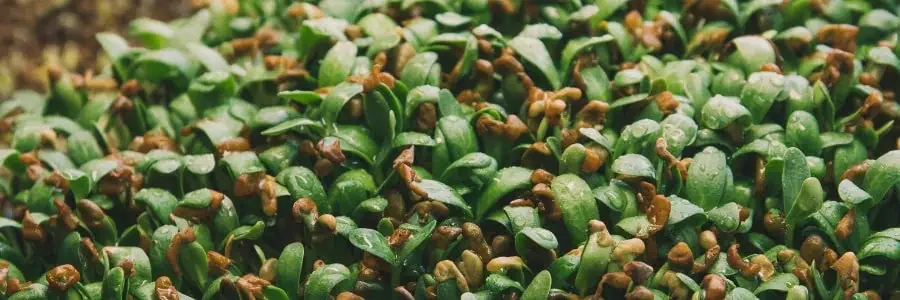
Common Names: Bird’s Foot, Methi, Goat’s Horn, Greek Clover, Hilba/Helba (Egyptian)
Body System Affinity
Blood Sugar/Lipid Metabolism, Breasts and Breast Milk, Digestive System, Respiratory System, Kidney Yang, Reproductive System, Mucus Membranes (all throughout the body), Lymphatic Fluid, Gallbladder
Herbal Actions
Nutritive, Appetite Stimulating, Galactagogue, Phytoestrogenic, Restorative, Anti-inflammatory, Aphrodisiac, Emmenagogue, Hypoglycemic, Demulcent, Warming Digestive/Carminative, Diaphoretic, Hypocholesterolemic, Lymphatic Mover, Cholagogue, Menopause Support
Energetics
Warming, Moistening, Sweet, Pungent, Slightly Bitter
*indicated in conditions of cold, depression, atrophy, deficiency and debility
*clears heat caused by putrefication and fermentation according to Matthew Wood
*supportive for imbalances of vata and kapha
Fenugreek is native to the Mediterranean Region, Southern Europe, and Western Asia primarily, and has a long history of culinary and medicinal use in India, North Africa, and the Middle East. Most of us have been introduced to this sweet, maple-like seed as an aromatic kitchen spice, but they are highly medicinal and nutritious as well as delicious!
Fenugreek has long been utilized to stimulate labor (specifically the aerial parts), support the flow and quality of breastmilk, warm up our digestive organs, dispel flatulence and bloating, help with lipid digestion/regulation, support healthy blood sugar levels, and support lymphatic drainage. As a demulcent, or a plant with moistening mucilaginous properties, it is one of a fairly small minority of herbs that can balance an overly dry constitution or formula preparation.
Fenugreek is considered to be an aphrodisiac, warming up the reproductive organs and aiding fertility--particularly reproductive difficulties stemming from kidney qi or yang deficiency. Because of this connective thread, it can also be supportive for hair loss connected to this specific pattern of imbalance.
Fenugreek is a highly nutritive herb, making them supportive for people in very deficient or “convalescent” states such as recovering from acute or chronic illness, disordered eating patterns, destabilizing life events and change, or just consuming a “standard american diet” lacking in vital nutrients. They are especially high in fiber, phospholipids, choline, Vitamin A, and B Vitamins!
Fenugreek can be used in topical applications for ulcers, boils, and generally hard to heal sores. This is an often forgotten method of working with these incredible seeds! They can be crushed into a paste and applied topically in hair growth or skin care formulas, as well. I really like to include them in topical poultices with other lymphatics/alteratives to support drainage of stagnant lymph in concentrated areas--such as the neck, chest, armpits, and groin. You’ll smell like maple syrup for days!
